
Your physical and mental health play a crucial role in how effectively you learn a language. This article explores the connection between well-being and language learning success, covering topics such as brain function, focus, energy levels, stress management, memory formation, motivation, and neuroplasticity. By improving overall health, learners can enhance their ability to absorb, retain, and use Italian more effectively.

Increase your Learning Speed – 5 Tips to Learn the Italian Language Faster
Want to learn Italian faster? This article shares five practical strategies to accelerate language learning, including applying the Pareto (80/20) Principle, using the Pomodoro Technique, focusing on high-impact activities, and developing efficient study habits. These proven methods help learners maximize results while reducing wasted time and effort.
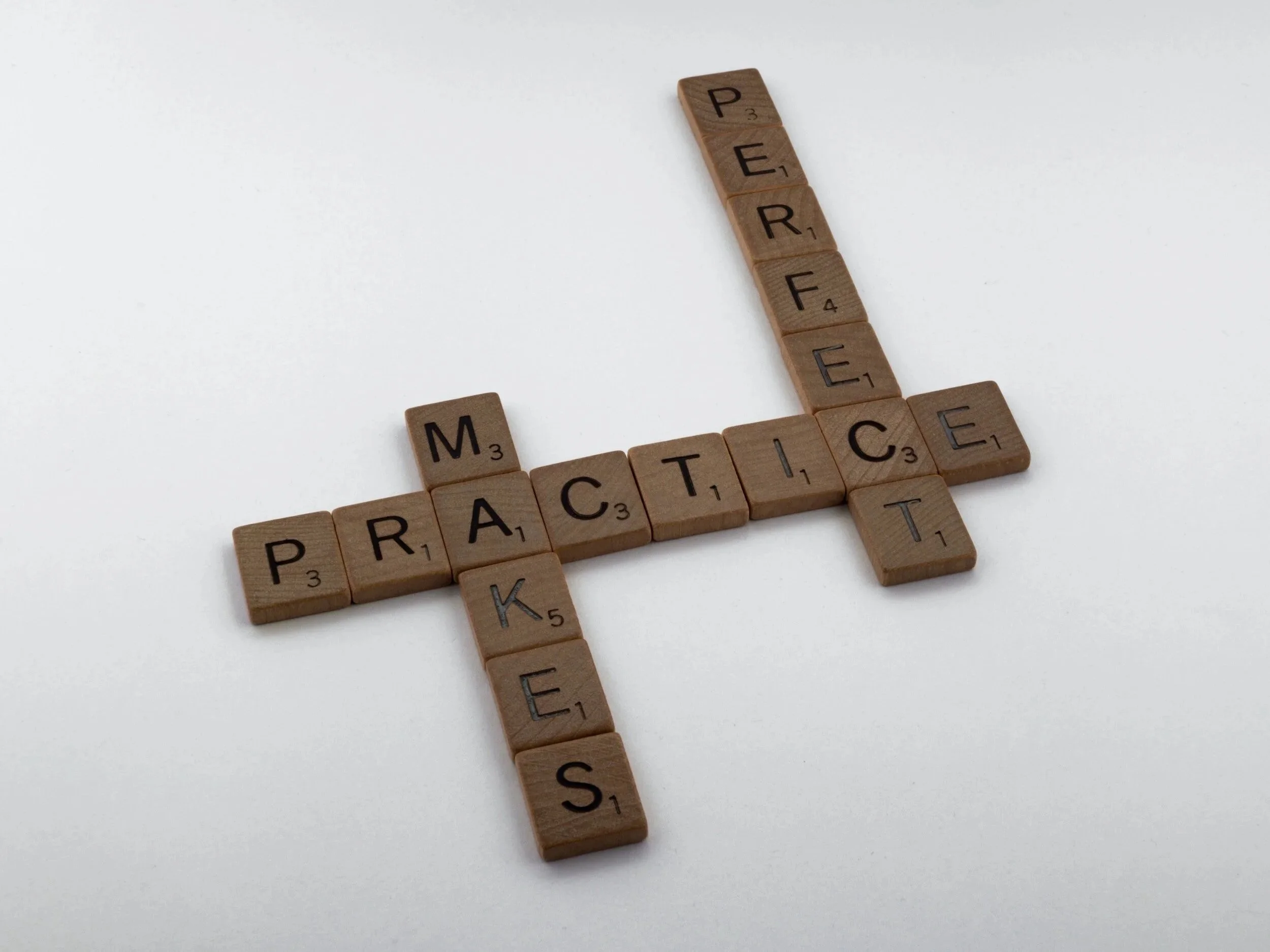
Practice Regularly and Diversify Your Learning - The Key to Success in Mastering the Italian Language
Consistent practice and a diverse learning approach are two of the most important factors in mastering Italian. This article explains how daily practice strengthens memory and confidence while varied learning methods—such as media, books, conversations, apps, and cultural immersion—create a more complete and engaging language-learning experience.
How To Learn Italian Faster And Easier Through Moving Your Body
How To Learn The Italian Language Fast
Immerse Yourself in Learning the Italian Language
Immerse Language immersion is one of the most effective ways to learn Italian faster and more naturally. This article explains how surrounding yourself with Italian through apps, device settings, music, podcasts, movies, books, and daily exposure can dramatically improve comprehension, vocabulary, pronunciation, and fluency. in Learning the Language.
The Importance of Setting SMART Goals When Learning a Language
Setting SMART goals can dramatically improve your success when learning Italian. This article explains the SMART framework—Specific, Measurable, Achievable, Relevant, and Time-bound—and shows how clear, structured goals help learners stay motivated, track progress, and achieve fluency more efficiently.