

In our fast-paced world, with high demands and packed schedules, finding moments of relaxation can seem like a luxury. However, it is essential to recognize the profound impact that relaxation can have on our lives, particularly when learning a new language like Italian.
In this blog post, I will explain why relaxation is crucial for effective learning, how to incorporate relaxation into your daily routine, and some powerful relaxation techniques that can enhance your language learning journey.
Why Relaxation Is Important
Relaxation is crucial for our overall well-being. It helps reduce stress and tension, allowing our minds and bodies to recharge. When we are stressed or anxious, our brains are in a constant state of alertness. We have difficulties focusing and retaining information. This situation influences efficiency in learning.
When we're relaxed, our minds are open, receptive, and able to absorb new information better. Moreover, relaxation promotes better sleep, which is essential for memory consolidation and the learning process.
Incorporating relaxation into our daily routine can create a beneficial environment for optimal mental and physical health, improving not only our productivity but quality of life.
Let’s look at several ways in which relaxation significantly influences the learning process.
Reduced Stress

When you are relaxed, your stress levels decrease.
When stress levels are lowered, cognitive functions are optimized. That allows you to absorb information effectively. Your brain will work better, helping you understand things faster and remember them longer. By keeping stress under control, you can make the learning process much easier and more enjoyable!
Improved Focus and Attention
It is crucial to pay better attention to what you're learning. Relaxation can help improve focus and attention by calming the mind and reducing distractions. It's like having a superpower that helps you understand things quicker and remember them for a long time. By getting better at focusing, you can accelerate the learning process.
Enhanced Memory Consolidation
Relaxation promotes better memory consolidation. When you learn something new, it's like saving it in your brain's storage system. Then, when you need to remember it, it's right there, ready to use. With better memory consolidation, you can build on what you've learned and connect new ideas more easily. So, by boosting memory consolidation, you can make your learning more efficient and effective.
Increased Creativity

Relaxation stimulates creativity and innovation. When you are creative, you can think outside the box and come up with new ideas and solutions. With increased creativity, the learning process becomes interesting and engaging because you can explore different ways and perspectives. It can make learning an exciting adventure full of possibilities.
Better Overall Well-Being

Relaxation promotes overall well-being by reducing feelings of anxiety, fatigue, and tension.
When you feel good physically and mentally, it's easier to focus and absorb new information.
You have more energy and motivation to approach challenges when they come and stay engaged in the learning process. By taking care of your well-being, you set yourself up for success in learning and beyond.
How to Relax
Relaxation doesn't have to be complicated or time-consuming. There are numerous simple yet effective ways to relax and unwind, which can be practiced even with a busy schedule.
Here are some strategies to help you incorporate relaxation into your daily routine.
Mindfulness Meditation
Take a few minutes each day to practice mindfulness meditation. Sit quietly, focus on your breath, and observe your thoughts without judgment. This practice can help calm your mind, reduce stress, and promote mental clarity.
Deep Breathing Exercises
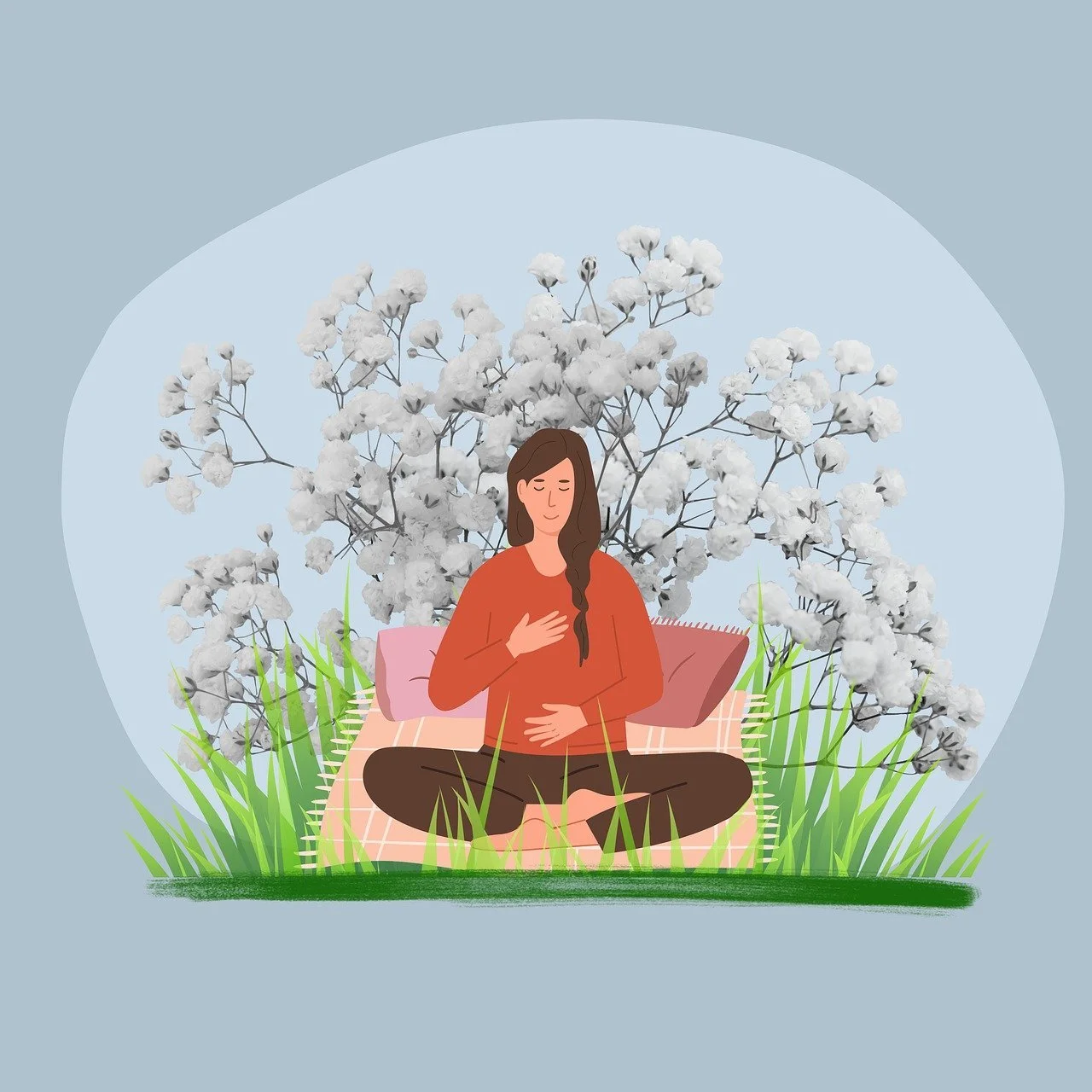
Do deep breathing exercises to activate your body's relaxation. Inhale deeply through your nose, hold for a few seconds, and exhale slowly through your mouth. Repeat this process several times until you notice the reduction of tension. Sometimes only a few breathings will be enough.
Progressive Muscle Relaxation

Practice progressive muscle relaxation by systematically tensing and then releasing specific muscle groups in your body. Start with your toes and work your way up to your head, focusing on releasing any tension you may be holding onto.
Here are a few simple examples you can apply:
a. Hands: Start by focusing on your hands. Clench your fists tightly for 5-10 seconds, feeling the tension in your muscles, then release and let your hands relax completely. Notice the difference between tension and relaxation.
b. Arms: Move your attention to your forearms. Tighten the muscles in your forearms by flexing them, then release them and let them relax completely.
c. Shoulders: Raise your shoulders up towards your ears, feeling the tension in your shoulder muscles, then release and let your shoulders drop down, allowing them to relax.
d. Face: Scrunch up your face by squeezing your eyes shut and clenching your jaw, then release and let your facial muscles relax. Allow your face to go smooth and slack.
e. Chest and Stomach: Take a deep breath in, expanding your chest and stomach as much as possible, then exhale slowly and completely, allowing your chest and stomach to relax.
f. Back: Arch your back slightly by tightening the muscles in your lower back, then release and allow your back to flatten against the surface you're lying on.
g. Legs: Tighten the muscles in your thighs by pressing your knees together and lifting your legs slightly off the surface, then release and let your legs relax completely.
h. Feet: Curl your toes tightly, feeling the tension in your foot muscles, then release and let your feet relax completely.
After finishing your exercises, take a moment to review your body. If you still feel tense in any area, you can repeat the tension and relaxation process for that specific muscle group.
Nature Walks
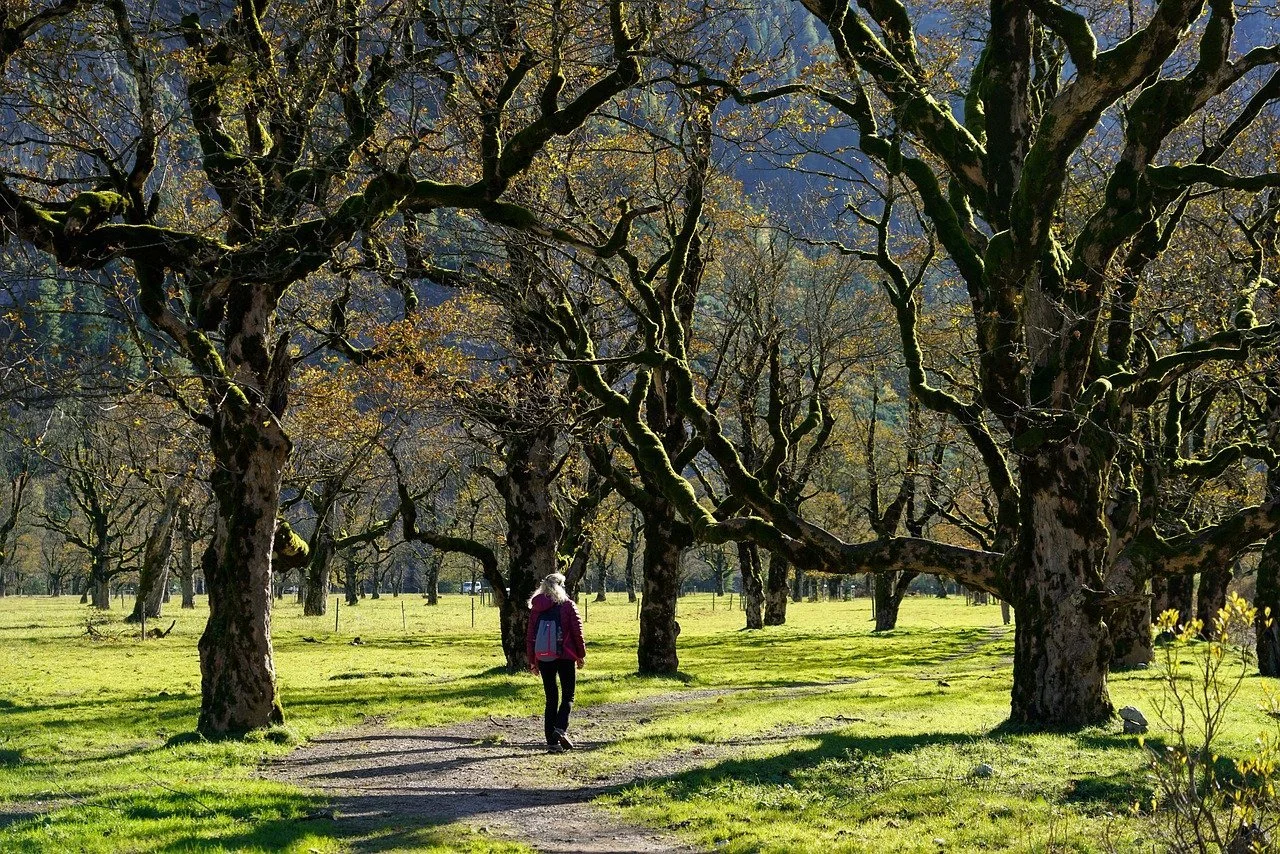
Spend some time outdoors and connect with nature by taking relaxed walks in a park or garden. The sights, sounds, and smells of nature can have a calming effect on your mind and body.
That will help you relax and rejuvenate.
Relaxation Techniques for Language Learning
Now that we've explored the importance of relaxation and how to incorporate it into your daily routine, let's look at some relaxation techniques that enhance your Italian language learning journey.
Visualization

Close your eyes and visualize yourself speaking fluent Italian with confidence and ease. Try to imagine yourself engaging in conversations with native speakers, ordering food at a restaurant, or asking someone for directions. This visualization exercise can help boost your confidence and motivation to learn Italian.
Listening to Italian Music
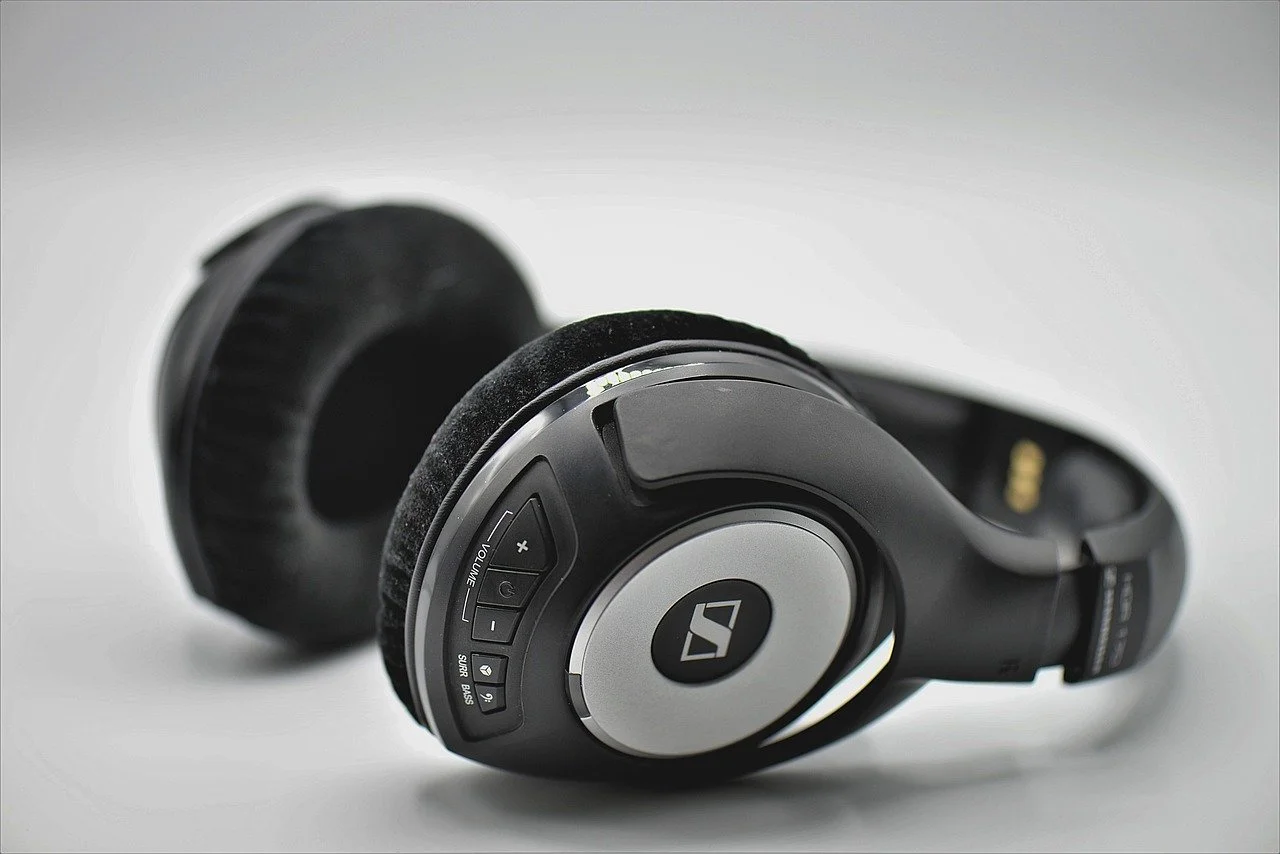
Listen to Italian music while you relax or do breathing exercises. Let the beautiful sounds of the language surround you and get familiar with its rhythm and style. It's like taking a mini vacation to Italy without leaving your room!
Guided Imagery

Listen to stories that take you to peaceful places in Italy, like beautiful countryside or charming coastal towns. Allow yourself to fully immerse in the sensory experience, taking in the sights, sounds, and smells of Italy. This relaxation technique helps you relax and feel connected to the Italian language and culture.
Relaxation techniques for language learning are like a secret weapon in your toolbox.
They help calm your mind and make learning more enjoyable and effective. It’s something worth considering. Whether it is taking deep breaths, meditating for a few minutes, or listening to soothing Italian music, these techniques can help you stay focused and absorb information better. By incorporating relaxation into your language learning routine, you create a positive and productive environment that supports your journey to fluency.
In conclusion, relaxation is not only a luxury but a necessity, especially when it comes to learning a new language like Italian. By prioritizing relaxation in your daily life and incorporating relaxation techniques into your language learning routine, you can create an optimal environment for learning and make significant progresses in mastering the Italian language.
Take a deep breath, relax, and start your journey to learn Italian confidently and easily!
A presto! (See you soon!)